Understanding the Importance of Regular Eye Examinations
Regular eye examinations are essential for maintaining good eye health and preventing vision loss. They are an effective way of detecting early signs of eye conditions such as glaucoma, macular degeneration, and cataracts before they become severe. An eye exam can also reveal systemic diseases like diabetes and high blood pressure that often present the first signs in the eyes. In essence, regular eye examinations can be a life-saving routine.
Early detection of vision problems can significantly improve the chances of successful treatment or management. These regular check-ups are particularly crucial for children and the elderly, who are more susceptible to vision problems that can affect their quality of life. Without regular eye examinations, these issues may go unnoticed and untreated, leading to further complications.
Moreover, an eye exam is more than just testing your vision; it’s about checking the overall health of your eyes. This can enhance your overall wellbeing, as good vision is linked with better physical health, mental health, and quality of life. In the UK, the National Health Service (NHS) provides free eye tests for certain eligible groups, emphasizing the importance of regular eye examinations.
Selecting an Optometrist in Norwich
Selecting an optometrist in Norwich, UK requires careful consideration. First and foremost, ensure the optometrist is registered with the General Optical Council (GOC), the UK’s regulatory body for optometrists. This guarantees that they meet the professional standards set by the council. You can verify this by checking the GOC online register.
Additionally, consider the optometrist’s experience, specialism (if any), and reputation. An optometrist with a good reputation and positive customer reviews is more likely to provide high-quality care. It would also be beneficial if the optometrist is well-versed or specialized in your specific vision condition, if applicable. Furthermore, consider practical aspects such as the location of the practice, appointment availability, and the cost of services, especially if you’re not eligible for an NHS-funded eye test.
You may also want to consider the optometrist’s interpersonal skills. A good optometrist should make you feel comfortable, answer your queries, and explain your eye condition and treatment options in terms you can understand. Norwich is home to many reputable optometry practices, making it easier for residents to find a suitable optometrist in their vicinity.
What to Expect During a Comprehensive Eye Examination
A comprehensive eye examination is a detailed assessment of your vision and overall eye health. It typically involves a series of tests to evaluate different aspects of your vision. Initially, you may be asked about your personal and family medical history, including any eye or vision problems you may have had in the past. This information helps the optometrist understand your risk of developing certain eye conditions.
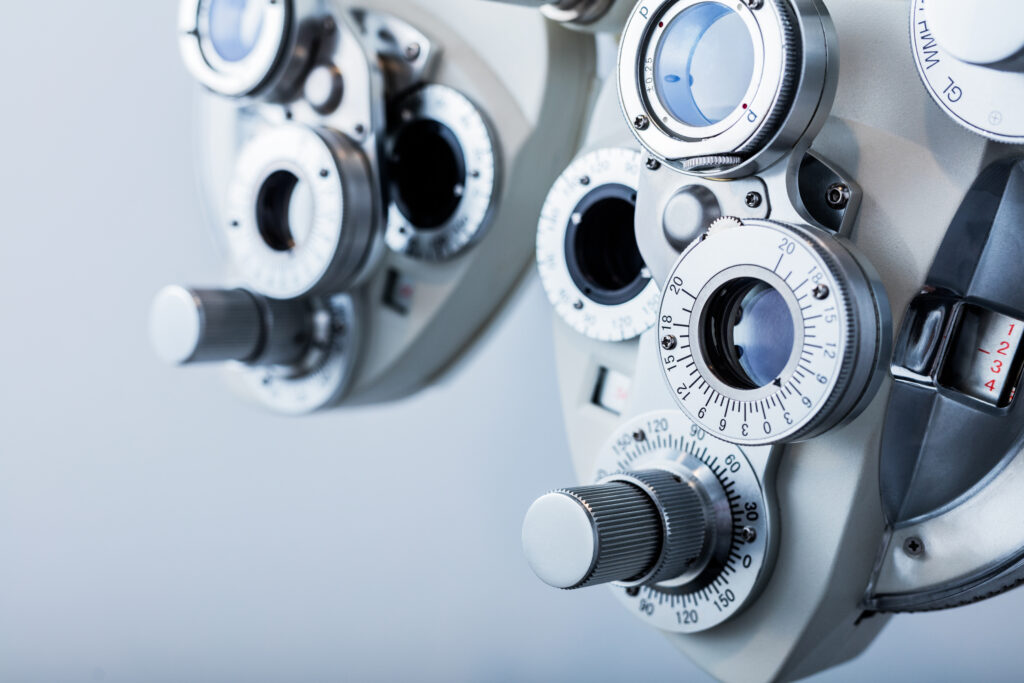
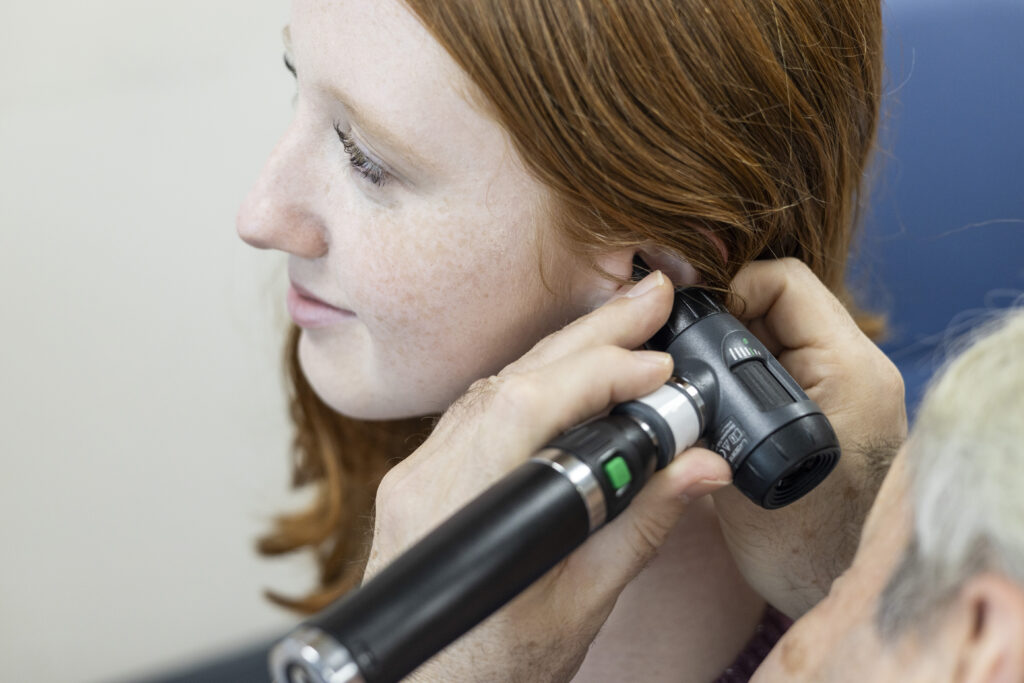
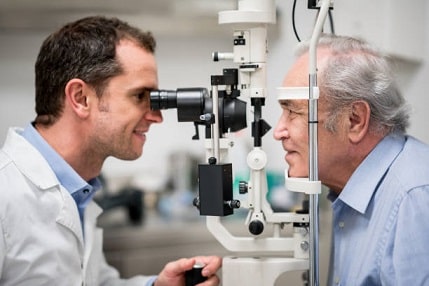
Following this, the optometrist may conduct several tests, including a visual acuity test to assess your sharpness of vision, a refraction assessment to determine your glasses or contact lens prescription, and a visual field test to measure your peripheral vision. Other tests may include an eye muscle test to check eye alignment, a slit lamp exam to examine the structures at the front of the eye, and intraocular pressure measurement to screen for glaucoma. Pupil dilation may also be conducted to allow a more thorough evaluation of the retina and optic nerve.
The comprehensive eye examination process is painless and typically takes about an hour, depending on the number of tests required. Your optometrist will explain each test before it’s conducted and ensure you’re comfortable throughout the process. It’s also an opportunity to discuss any eye health concerns or symptoms you may have been experiencing.
Common Vision Problems Diagnosed During Eye Exams
Several common vision problems can be diagnosed during an eye exam. Refractive errors such as myopia (short-sightedness), hypermetropia (long-sightedness), astigmatism (distorted vision), and presbyopia (difficulty focusing on near objects) are commonly detected. These can often be corrected with glasses or contact lenses.
Glaucoma, a condition caused by increased pressure in the eye that can lead to vision loss, can also be detected. So can macular degeneration, a leading cause of severe vision loss in older adults. Cataracts, which make the eye’s lens cloudy and impair vision, are another common vision problem that can be diagnosed. Diabetic retinopathy, a complication of diabetes that can harm the eyes, can also be identified during an eye exam.
Eye conditions such as dry eye syndrome, conjunctivitis, and blepharitis can also be diagnosed during an eye examination. While some of these conditions can cause discomfort, they are generally treatable. The earlier these conditions are identified, the better the outcome, reinforcing the importance of regular eye examinations.
The Role of Technological Innovation in Eye Examinations
Technological innovations have revolutionized eye examinations, enabling more accurate diagnoses and effective treatments. Advanced imaging technology can capture detailed images of the eye, helping optometrists diagnose and monitor eye conditions. For instance, optical coherence tomography (OCT) produces high-resolution images of the retina, aiding in early detection of conditions such as glaucoma and macular degeneration.
Automated equipment has improved the accuracy of refraction tests, providing precise prescriptions for glasses or contact lenses. Digital retinal imaging allows optometrists to evaluate the health of the back of the eye, including the retina, optic nerve, and blood vessels. Innovations such as electronic health records have made it easier for optometrists to track patients’ eye health over time, improve quality of care, and streamline office visits.
Technological advancements have also made eye exams more comfortable and efficient for patients. From quicker, non-invasive tests to the use of artificial intelligence in detecting eye diseases, technology continues to enhance the eye examination process and overall patient experience.
Preparing for Your Eye Exam: Important Considerations
Preparing for your eye exam can make the process smoother and more productive. Firstly, be aware of any vision changes or symptoms you’ve experienced since your last eye exam. These could include difficulties with night vision, increased light sensitivity, frequent headaches, or blurrier-than-usual vision. Documenting these changes can provide valuable information to your optometrist.
Bring along your current eyeglasses or contact lenses, even if you think your prescription has changed. If you’re a first-time contact lens user, your optometrist may want to assess your current lenses and discuss any discomfort or issues. Be prepared to discuss your medical history, including any previous eye conditions, surgeries, or injuries. It’s also important to inform your optometrist about any family history of eye diseases.
Lastly, bring a list of any medications you’re taking, as some can affect vision or eye health. If you have health insurance, bring your policy details. Some policies cover the cost of eye exams and prescription eyewear. Being well-prepared can ensure a comprehensive assessment of your eye health and visual needs.
Understanding Your Eye Examination Results
After your eye exam, your optometrist will discuss the results with you. If a vision problem is detected, they will explain the condition, potential impacts on your vision, and treatment options. Common treatments include eyeglasses, contact lenses, medication, or in some cases, surgery. Refractive errors are represented by a prescription, which specifies the lens power required to correct your vision.
Eye health conditions such as glaucoma, cataracts, and macular degeneration are usually diagnosed through additional tests. If these conditions are detected, your optometrist will explain the severity of the condition, possible progression, and the steps you can take to manage or treat it.
If your eyes are healthy, your optometrist will advise you on maintaining good eye health and when to schedule your next eye exam. Regardless of the outcome, understanding your results is crucial for taking charge of your eye health. Always feel free to ask your optometrist any questions or clarify any concerns about your results.
Optimising Visual Health: Next Steps After Your Eye Exam
After your eye examination, the next steps depend on your results. If you have a refractive error, you may need to get glasses or contact lenses. If an eye condition is detected, you may require medication, follow-up appointments, or even surgery. Be sure to follow your optometrist’s advice and treatment plan to ensure optimal visual health.
Even if your eyes are healthy, it’s important to maintain good eye care habits. This can include wearing sunglasses to protect against UV rays, eating foods rich in vitamins and antioxidants for eye health, resting your eyes when using electronic devices, and avoiding smoking. Regular exercise and keeping your blood pressure, cholesterol, and blood sugar levels under control can also help maintain good eye health.
Regular eye examinations should remain a key part of your healthcare routine. The frequency would depend on your age, risk factors, and whether you currently wear eyeglasses or contact lenses. However, an annual eye examination is a good rule of thumb for most people. Remember, early detection and treatment are often key to preventing vision loss.