
Introduction to Hearing Check Ups in Norfolk
In the charming county of Norfolk, a variety of resources exist for citizens concerned about their auditory health. Regular hearing check-ups are not just for those who already experience hearing loss. They’re for everyone. The auditory system plays a critical role in our daily lives, and keeping it in great condition should be a priority for all. In Norfolk, there is an array of healthcare providers offering comprehensive hearing check-ups, designed to identify any potential problems early and provide effective treatment plans.
A hearing check-up typically involves a thorough examination of your hearing ability, with tests designed to identify the slightest signs of degradation. These tests are conducted by certified audiologists who employ state-of-the-art equipment to provide accurate results. Whether it’s detecting early signs of hearing loss, identifying an existing issue, or providing a baseline for future tests, hearing check-ups are integral to maintaining optimal hearing health.
Furthermore, Norfolk boasts a considerable number of clinics and medical centres that make it convenient for residents to get their hearing checked. These facilities provide a serene and comfortable environment to make the patient’s experience as comfortable as possible. As a result, getting a hearing check-up in Norfolk is not just a routine medical procedure but a comprehensive, patient-centric experience.
An Overview of Types of Hearing Tests
In Norfolk, a variety of hearing tests are available, each designed to tackle different aspects of auditory health. Pure Tone Audiometry (PTA) is a standard test that measures a person’s ability to hear different frequencies of sound. This test helps identify the type and degree of hearing loss, if any.
Another common type of hearing test is the Speech Audiometry Test. This test measures a person’s ability to understand speech from background noise. It’s particularly useful in understanding how well a person can communicate in everyday life, especially in noisy environments. In addition, Tympanometry is another type of test that evaluates the middle ear’s functioning by measuring its reaction to changes in air pressure.
Finally, Otoacoustic Emissions (OAE) tests are used to determine whether specific parts of the inner ear, particularly the cochlea, are functioning correctly. This test is often used to check the hearing of newborns and very young children. The variety of these tests ensures that any specific hearing issues can be accurately identified and addressed effectively.
Understanding the Importance of Regular Hearing Check-Ups
Regular hearing check-ups are vital for early detection and diagnosis of any potential hearing issues. Early detection can lead to more effective treatment and limit the degree of hearing loss. Furthermore, these check-ups can also provide baseline measurements for future reference, making it easier to track any changes in hearing over time.
Just like regular dental or eye check-ups, hearing check-ups should be part of everyone’s health routine. This is particularly important as our hearing often deteriorates gradually, and the change may be too slow to notice without professional assessment. Regular check-ups allow for early intervention, which can significantly improve a person’s quality of life.
Moreover, hearing check-ups are important for children as undiagnosed hearing issues can lead to developmental delays, particularly in speech and language. Regular check-ups ensure that these issues are caught early, allowing for timely intervention and support.
Recognising the Early Signs of Hearing Loss
Hearing loss often occurs gradually, making it difficult to notice until it becomes a problem. Early signs include difficulty hearing conversations, especially in noisy environments, frequently asking people to repeat themselves, or turning up the volume on the TV or radio. Other signs include ringing, buzzing, or hissing noises in the ears known as tinnitus.
Fatigue or headaches after long conversations, dizziness, or imbalance are also potential indicators of a hearing issue. If you or a loved one is experiencing any of these symptoms, it’s recommended to book a hearing check-up as soon as possible.
Remember, early detection can greatly increase the success of treatment, potentially slowing or even halting the progression of hearing loss. Therefore, recognising these early signs is the first step towards maintaining optimal auditory health.
Process and Procedures in a Typical Hearing Test
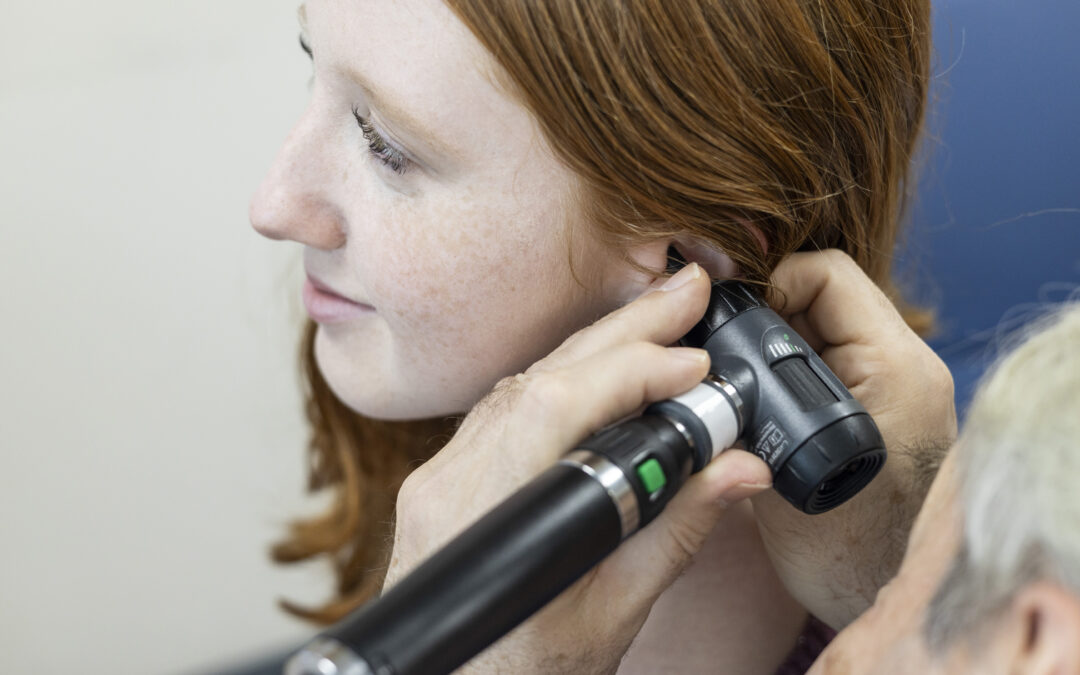
A typical hearing test in Norfolk will often begin with a consultation, during which the audiologist will ask about your medical history and any hearing issues you may be experiencing. This is followed by a visual inspection of your ears to check for any physical abnormalities that could affect your hearing.
Following this, the audiologist will perform a series of tests, including Pure Tone Audiometry, Speech Audiometry, and possibly Tympanometry or Otoacoustic Emissions tests. These tests are non-invasive and painless, yet highly effective in assessing your hearing ability. The results from these tests will be plotted on an audiogram, a graph that illustrates your hearing ability at different frequencies.
Finally, the audiologist will discuss the results with you, providing a clear explanation and recommending a treatment plan if necessary. This could include hearing aids, assistive listening devices, or further medical evaluation based on the findings.
Pediatric Hearing Tests: What to Expect
For children, particularly infants and toddlers, hearing tests are a little different. These tests are designed to be engaging and comfortable for young children. Tests such as Visual Reinforced Audiometry (VRA) and Play Audiometry are commonly used, where children are trained to respond to sounds through play-like activities.
Otoacoustic Emissions (OAE) tests are also common in pediatric audiology as they require no active response from the child. This test is particularly useful in the early detection of hearing loss in newborns. Similarly, Auditory Brainstem Response (ABR) tests are used to evaluate the neurological function of a child’s hearing by recording their auditory nerve’s responses.
All these tests are designed to ensure that the child is comfortable and cooperative throughout the process. Early detection and intervention in children can prevent developmental delays and provide the appropriate support needed for a child’s auditory development.
Hearing Aids and Assistive Devices in Norfolk
Norfolk is not only a great place for hearing check-ups but also for accessing the latest hearing aids and assistive listening devices. If your hearing test results indicate the need for such devices, your audiologist will guide you through the variety of options available.
Hearing aids come in a variety of styles, from behind-the-ear models to in-the-ear devices, all designed to suit individual needs and lifestyles. In addition, assistive listening devices such as amplified phones and alerting devices can make daily life easier for those with hearing loss.
Additionally, Norfolk boasts several specialist stores and clinics that offer custom-fitting services. Custom-moulded hearing aids provide optimal comfort and performance, ensuring that you reap the full benefits of these devices.
Resources and Support for People with Hearing Impairment in Norfolk
Living with hearing loss can be a challenging journey, both for the individual and their loved ones. Thankfully, Norfolk offers a wealth of resources and support services for people living with hearing impairment. These services include counselling, speech therapy, and sign language classes, all aimed at helping individuals lead full, enriched lives despite their hearing loss.
Support groups are also available, providing a platform for people with hearing loss to share their experiences and learn from each other. These groups can be a valuable source of emotional and practical support, helping individuals navigate the challenges that come with hearing loss.
Furthermore, several charities and foundations in Norfolk are dedicated to improving the lives of those with hearing loss. These organisations provide everything from hearing aids to funding for research into hearing loss and its treatment. As such, individuals with hearing loss in Norfolk are not alone; help is readily available, providing a strong support network to navigate through the journey of hearing impairment.