Unveiling the Rich History of Eyewear in Norwich
The city of Norwich in the United Kingdom boasts a vibrant and long-standing history in eyewear production. The roots of optometry in Norwich date back to the 19th century, when local artisans first began handcrafting spectacles. These craftsmen used natural materials like tortoiseshell and horn to create durable frames, while lens technology evolved from single vision to bifocal and eventually, multifocal lenses. The Norwich Optical Company, established in the early 1900s, is a testament to the city’s historical love affair with eyewear.
Over the ensuing decades, Norwich embraced technological advancements and innovation in eyewear. The city pioneered the use of plastic for frames, a material that offered greater variation in design and color, and was easier to produce. It also adopted ground-breaking lens technology, such as anti-reflective coatings and high-index lenses, which improved vision clarity and comfort.
Today, Norwich’s eyewear industry is a unique blend of tradition and innovation, reflecting the city’s rich optical heritage while keeping a keen eye on the future. It is a testament to the city’s resilience, creativity, and commitment to enhancing vision and style.
Decoding the Anatomy of Glasses Frames
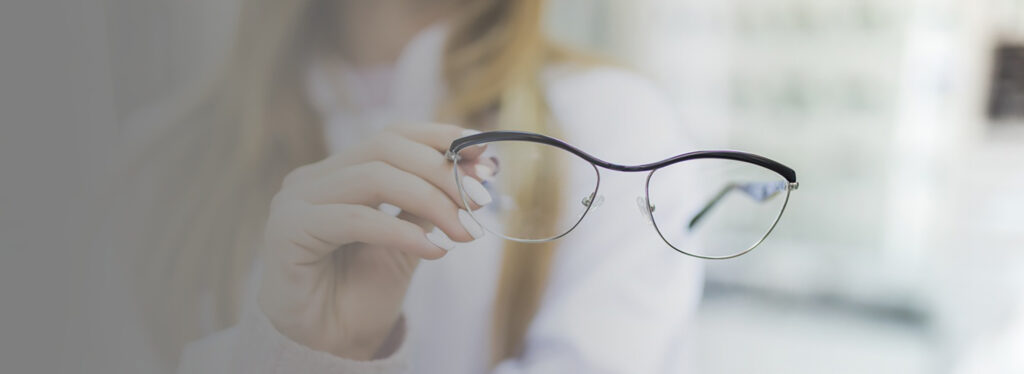
Glasses frames are an intricate assembly of several parts, each contributing to the overall functionality and aesthetics of the eyewear. The frame front holds the lenses in place and shapes the look of the glasses. Temples, the ‘arms’ of the glasses, extend over the ears to keep the frames secure and are often adjustable for a perfect fit. The bridge connects the two lenses and rests on the nose, while nose pads provide comfort and stability.
The end pieces act as joints between the frame front and the temples, and the temple tips are the ending points that rest behind the ears. Lastly, the hinges allow the temples to fold inward for easy storage. Understanding the anatomy of glasses frames is essential in choosing the right pair, as each component affects comfort, fit, and style.
Every part is crucially designed and meticulously assembled to ensure user comfort, durability, and aesthetics. The intricate details, from the choice of hinge screws to the temple design, underline the craftsmanship and expertise that goes into every pair of glasses. It’s this attention to detail that sets Norwich’s eyewear industry apart.
An Overview of Different Glasses Frame Materials
Glasses frames are made from a range of materials, each with its specific characteristics and aesthetic appeal. Metal frames, including titanium, stainless steel, and aluminium, are popular for their durability, lightness, and hypoallergenic properties. On the other hand, plastic frames, particularly acetate, offer a wider variety of colours and designs, and are generally more affordable.
Other materials include wood and bamboo, which add a unique, natural touch to eyewear. More recently, eco-friendly materials like recycled metals and bioplastics have emerged, reflecting the industry’s growing commitment to sustainability. Each material offers a different blend of durability, comfort, style, and price, allowing customers to find a pair that perfectly suits their needs and preferences.
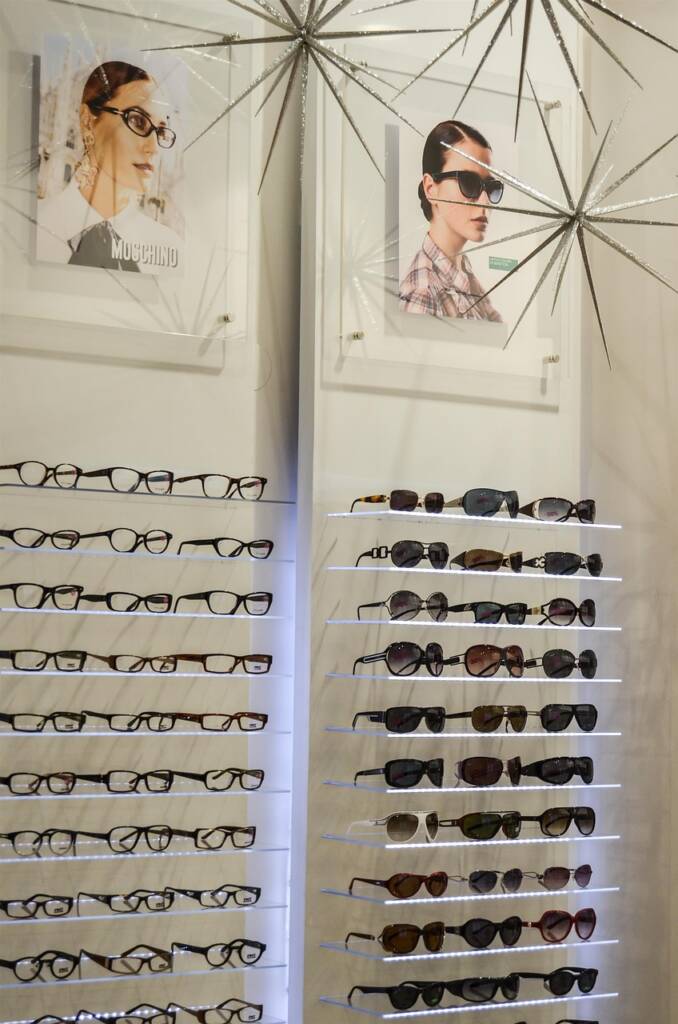
In Norwich, both traditional and innovative frame materials are embraced. Local opticians and eyewear companies maintain a diverse stock, ensuring they cater to all tastes and needs. From the timeless elegance of metal frames to the vibrant appeal of acetate and the distinctive charm of wood, Norwich’s eyewear industry has it all.
Understanding the Importance of Proper Frame Fit
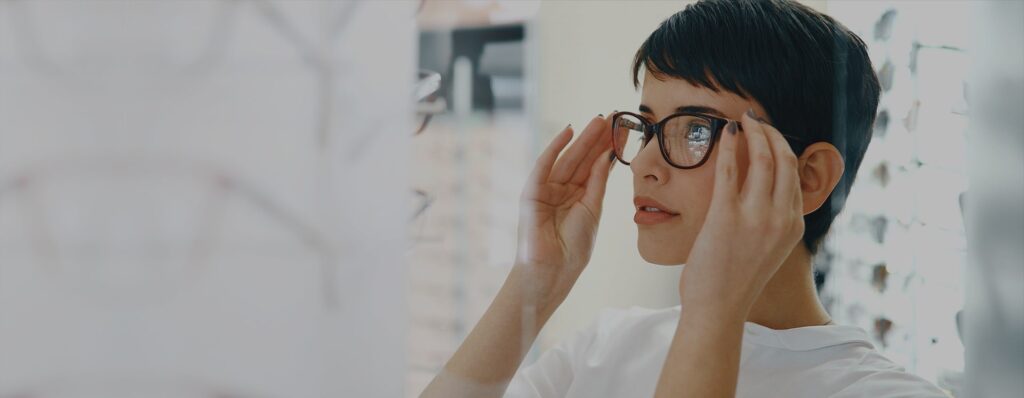
A proper frame fit is crucial in ensuring comfort and optimal vision correction. A well-fitting pair of glasses should sit comfortably on the nose, align with the wearer’s eyes, and stay secure without pressing into the temples or sliding down. The size of the frame should also be proportionate to the wearer’s facial features, and the style should complement their face shape.
Getting the right frame fit involves several measurements, such as the lens width, bridge width, and temple length. An experienced optician can help make these measurements and guide customers in choosing the right frames. Proper frame fitting also includes adjusting the nose pads and temples for a secure and comfortable fit.
In Norwich, opticians place a great emphasis on proper frame fitting. They combine their technical expertise with a personalized approach, ensuring each customer walks away with a pair of glasses that fits perfectly and enhances their vision. This focus on individualized care is a defining feature of Norwich’s eyewear industry.
Types of Lenses and Their Specific Applications
Lenses are the heart of eyeglasses, correcting vision problems and protecting the eyes. Single vision lenses correct one type of vision problem, such as nearsightedness or farsightedness. Bifocal lenses have two focus areas, typically correcting near and far vision, while trifocal lenses add a middle focus area for intermediate distance. Progressive lenses offer a seamless transition between different focus areas, improving visual comfort.
Special lens coatings, such as anti-reflective, scratch-resistant, or UV protection, can further enhance vision and protect the eyes. Meanwhile, photochromic lenses automatically darken in bright light, offering built-in sun protection. High-index lenses are thinner and lighter, making them a great option for strong prescriptions.
In Norwich, opticians offer a wide range of lenses to cater to different vision needs and lifestyles. They use advanced lens technology and high-quality materials to ensure optimal vision correction. Whether it’s single vision lenses for a child’s first pair of glasses or progressive lenses for a busy professional, Norwich’s optical experts have it covered.
Latest Trends in Eyeglasses Frames and Lenses in Norwich
Norwich’s eyewear industry stays abreast of the latest trends. In frames, styles ranging from the classic round and square shapes to more avant-garde geometric designs are in vogue. Bold colours and patterns, as well as mixed material frames, are also popular. In lenses, blue light blocking technology is a rising trend, reflecting the increased screen time in today’s digital age.
Moreover, the trend towards sustainability is prevalent in Norwich’s eyewear industry. Many local companies are embracing eco-friendly materials and practices, from recycled metals and bioplastics for frames, to eco-friendly lens coatings. Customizable and modular glasses, allowing the wearer to change the look of their eyewear without buying a new pair, are another trend reflecting the industry’s commitment to sustainability and individual expression.
While trends offer exciting new options, Norwich opticians also emphasize the importance of individual style and comfort. They work closely with customers to find a pair of glasses that not only follows the latest trends but also enhances their vision, fits perfectly, and reflects their personal style.
The Role of Norwich’s Opticians in Ensuring Optimal Vision
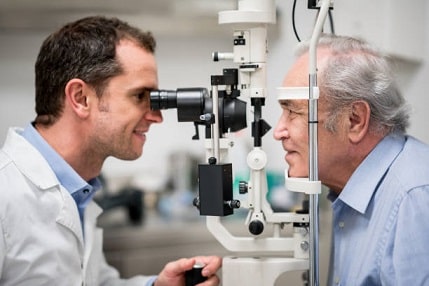
Norwich opticians play a vital role in the city’s eyewear industry. They provide professional eye examinations, identifying vision problems and prescribing the right corrective lenses. They also assist customers in choosing the right frames, considering factors like face shape, lifestyle, and personal style. Opticians ensure the glasses fit properly, making necessary adjustments for optimal comfort and vision.
Moreover, opticians in Norwich provide ongoing care and advice. They guide customers on how to care for their glasses, ensuring they last long and function well. They also advise on when to have follow-up eye exams and when a change in prescription might be needed.
Norwich’s opticians are not just vision professionals; they are style consultants, educators, and trusted health advisors. Their expertise, combined with a dedication to personalized care, ensures Norwich residents enjoy optimal vision and stylish eyewear.
Future Outlook: Innovative Trends in Eyewear Industry
The future of eyewear is bright and exciting. The industry is set to further embrace technology and sustainability, offering advanced vision solutions and eco-friendly products. Smart glasses, featuring integrated technologies like augmented reality, virtual reality, and fitness tracking, are a promising trend. Meanwhile, the use of sustainable materials and practices is expected to rise, with the eyewear industry playing its part in the global move towards a greener future.
Another upcoming trend is the increased personalization of eyewear. Advances in 3D printing technology could allow for fully customizable frames, tailored to the wearer’s exact measurements and style preferences. This could revolutionize the eyewear industry, offering unprecedented comfort and individual expression.
In Norwich, the eyewear industry is ready to embrace these innovative trends. With its blend of tradition and innovation, expertise and creativity, the city’s eyewear industry is well-positioned to continue serving the vision needs of its residents while contributing to the global advancements in eyewear.