Introduction to Eye Exams in Norwich
In Norwich, a city renowned for its rich history and vibrant culture, the importance of maintaining good eye health is well recognised. Eye exams are crucial not just for assessing your vision but also for evaluating your overall eye health. Regular eye check-ups can detect early signs of eye conditions such as glaucoma, cataracts, and macular degeneration, potentially preventing serious damage. Norwich offers a plethora of options for eye care, with numerous reputable clinics and opticians equipped with advanced diagnostic tools.
Eye exams in Norwich cater to all age groups and include various types of assessments tailored to specific needs. Whether you are experiencing vision problems, need an updated prescription, or just want to ensure your eyes are healthy, there is a facility ready to assist you. Additionally, many eye care providers in Norwich are adept at handling pediatric eye care, making it a family-friendly destination for eye health services.
The city’s commitment to accessible eye care is evident in its range of services, from high-end optometry practices offering the latest in eye care technology to more budget-friendly options. This ensures that every resident of Norwich has the opportunity to receive quality eye health management irrespective of their economic status.
Choosing the Right Optician in Norwich
Choosing the right optician in Norwich is pivotal to ensuring high-quality care and accurate vision correction. When selecting an optician, consider factors such as the range of services they offer, the technology they use, and their reputation in the community. Many opticians in Norwich are not only skilled in routine eye exams but also specialise in areas like contact lens fitting, children’s vision, and managing chronic eye conditions.
It is advisable to look for an optician who takes a personalised approach to eye care. Optometrists and opticians who spend time understanding your specific needs and lifestyle can offer more tailored recommendations for eyewear or contact lenses. Additionally, checking reviews and seeking recommendations from family and friends can help you find a trusted professional in the city.
Accessibility and convenience are also important. Many opticians in Norwich offer flexible appointment schedules to accommodate busy lifestyles, including weekend and evening slots. Some also provide additional services like home visits for individuals who are unable to travel.
Overview of Different Types of Eye Tests
An eye exam in Norwich typically encompasses several different tests to assess your vision and the health of your eyes. Visual acuity tests are the most common, used to measure the sharpness of your vision using a chart of letters that decrease in size. Refraction assessments help determine the right prescription for your glasses or contact lenses.
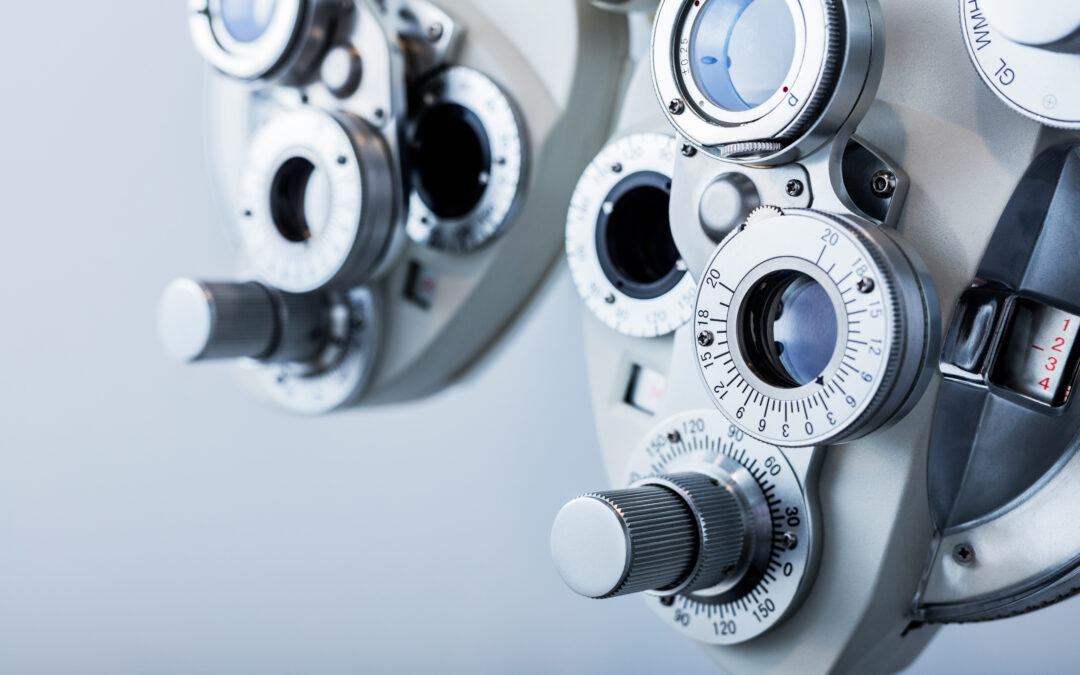
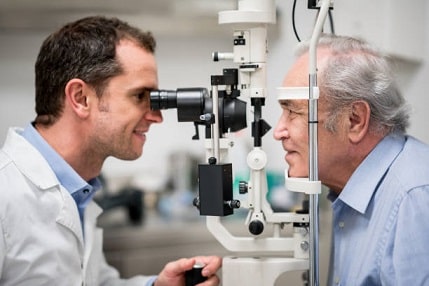
Beyond these basic tests, your eye examination might include more specialised assessments such as the slit lamp examination, which inspects the health of your eyes under high magnification. Tonometry is another critical test used to measure internal eye pressure, essential for glaucoma detection. Field of vision tests are also routinely conducted to check for blind spots and peripheral vision issues.
Advanced diagnostics, such as digital retinal imaging and optical coherence tomography (OCT), are also available in many Norwich clinics. These tests provide detailed images of the eye’s internal structures, allowing for early detection and management of eye diseases.
What to Expect During Your Eye Examination
When you visit an optician in Norwich for an eye exam, the process typically lasts about 30 to 60 minutes, depending on the complexity of tests needed. Initially, your optician will review your medical history and discuss any vision problems you might be experiencing. This conversation is crucial as it guides the types of tests that will be most beneficial for your specific situation.
During the examination, you will undergo various tests to check your visual acuity, eye pressure, and overall eye health. The optician may use eye drops to dilate your pupils; this helps them examine the back of your eyes more effectively. Although these drops can cause temporary blurriness, they are crucial for a thorough inspection of the eye’s internal structures.
After the tests, the optician will discuss the results with you immediately. If there are indications of eye health issues or if your vision needs correction, they will suggest the next steps, whether it’s prescription eyewear, further diagnostic tests, or treatment options.
Understanding Your Eye Test Results
Understanding the outcomes of your eye tests is key to managing your eye health effectively. Your optician in Norwich will explain the results in detail, helping you understand any conditions or changes in your vision. The main focus will often be on whether your vision has deteriorated or if there are any signs of eye diseases.
For those requiring corrective lenses, the optician will provide a prescription indicating the strength of the lenses needed to correct your vision. This prescription can be used to order glasses or contact lenses. If any abnormal findings arise, such as signs of retinal disease or glaucoma, your optician will recommend appropriate treatment paths or refer you to a specialist.
It’s important to keep a copy of your eye test results for your records and to bring them along to future eye appointments. This helps in tracking any changes in your eye health over time and can be crucial for emergency medical situations where knowing your eye history is important.
The Latest Advances in Eye Care Technology
Norwich’s eye care facilities are at the forefront of incorporating advanced technology in diagnostics and treatment. Digital retinal imaging is one such technology widely used, offering detailed photos of the retina which is vital for early detection of conditions like diabetic retinopathy and macular degeneration. Optical coherence tomography (OCT), another innovative tool, provides cross-sectional images of the eye, helping in the diagnosis and management of eye diseases.
Laser treatments have also become more accessible, providing options for corrective surgeries and treatments for certain eye conditions. These advancements not only enhance the accuracy of diagnostics and treatments but also improve the comfort and convenience of the procedures for patients.
Adaptive lens technology, which includes transition lenses that adjust their tint based on light conditions, and lenses designed to filter out blue light, is becoming increasingly popular among Norwich residents, particularly those who spend long hours in front of computer screens.
How Often Should You Get Your Eyes Checked?
The frequency of eye exams can depend on several factors including age, health, and risk of eye diseases. Children should have their vision checked regularly to ensure proper development of their eyesight, with their first comprehensive eye exam around the age of three. Adults, particularly those over forty, should have their eyes tested every two years unless advised otherwise by their doctor.
Individuals with diabetes, high blood pressure, or a family history of eye disease may need more frequent checks. Similarly, those who experience changes in vision, such as sudden blurriness, vision loss, or persistent eye strain, should schedule an appointment immediately.
In Norwich, many local opticians and eye care clinics offer reminders and schedules to help patients keep track of their eye examinations, ensuring timely detection and treatment of potential eye problems.
Local Norwich Services for Eye Health
Norwich boasts a variety of services aimed at promoting eye health. From specialised optometry clinics that offer comprehensive eye exams and advanced diagnostic tools to hospitals with ophthalmology departments capable of performing complex eye surgeries. The community also benefits from outreach programs that aim to educate the public on eye health and prevent vision-related diseases.
For those who require financial assistance, there are several programs available in Norwich that help cover the cost of eye care, particularly for children and the elderly. This ensures that residents of all ages have access to necessary eye health services.
Additionally, Norwich offers support groups and rehabilitation services for individuals with significant vision loss, helping them adapt to their new circumstances through various forms of training and social support. This holistic approach to eye care ensures that all residents have the support they need to manage their eye health effectively.