An Overview of Eye Health Checks in Norwich
Norwich, a vibrant city in the heart of Norfolk, offers a wide range of services for maintaining eye health, crucial for overall wellbeing. Eye health checks in this historic city are not only comprehensive but are tailored to meet the needs of individuals of all ages. From standard vision testing to more detailed examinations like retinal scanning, Norwich opticians utilise a variety of techniques to ensure the best possible care for your eyes.
Residents can find numerous clinics and optometrists equipped with the latest in eye care technology, ensuring every aspect of eye health is covered. These eye health checks are designed to detect any early signs of conditions like glaucoma, cataracts, and macular degeneration, which are crucial for preventing potential vision loss. The proactive approach taken by Norwich’s healthcare providers underscores the city’s commitment to maintaining its inhabitants’ eyesight.
Moreover, many of these services are conveniently located throughout the city, whether in larger shopping centres or local neighbourhoods, making access to eye care easy and stress-free. This accessibility helps in promoting regular eye examinations, fostering a community highly informed about the importance of eye health.
Identifying Reputable Opticians in Norwich
Choosing a reputable optician in Norwich is vital for receiving reliable and high-quality eye care. Key indicators of a reputable service include well-qualified and experienced optometrists, positive reviews from past patients, and accreditations from recognised health bodies. Many Norwich opticians are members of the Association of Optometrists, which assures adherence to high professional standards.
It’s also beneficial to seek out opticians who offer a wide range of services and spectacles, including the latest designs in eyewear and advanced lens technology. Shops like Specsavers, Vision Express, and independent boutiques offer extensive collections and comprehensive eye tests, ensuring that both your vision needs and style preferences are met.
Word-of-mouth recommendations can also be incredibly valuable. Consulting friends and family about their experiences can provide insights into the level of customer service and satisfaction offered by nearby opticians, helping you make an informed choice tailored to your specific needs.
What to Expect During Your Eye Examination
When you visit an optician in Norwich for an eye examination, the process will typically start with a discussion about your medical history and any vision problems you might be experiencing. This initial conversation is crucial as it guides the optometrist on potential areas of focus during the examination. It’s a good practice to mention any symptoms or concerns you have regarding your eyesight or eye health.
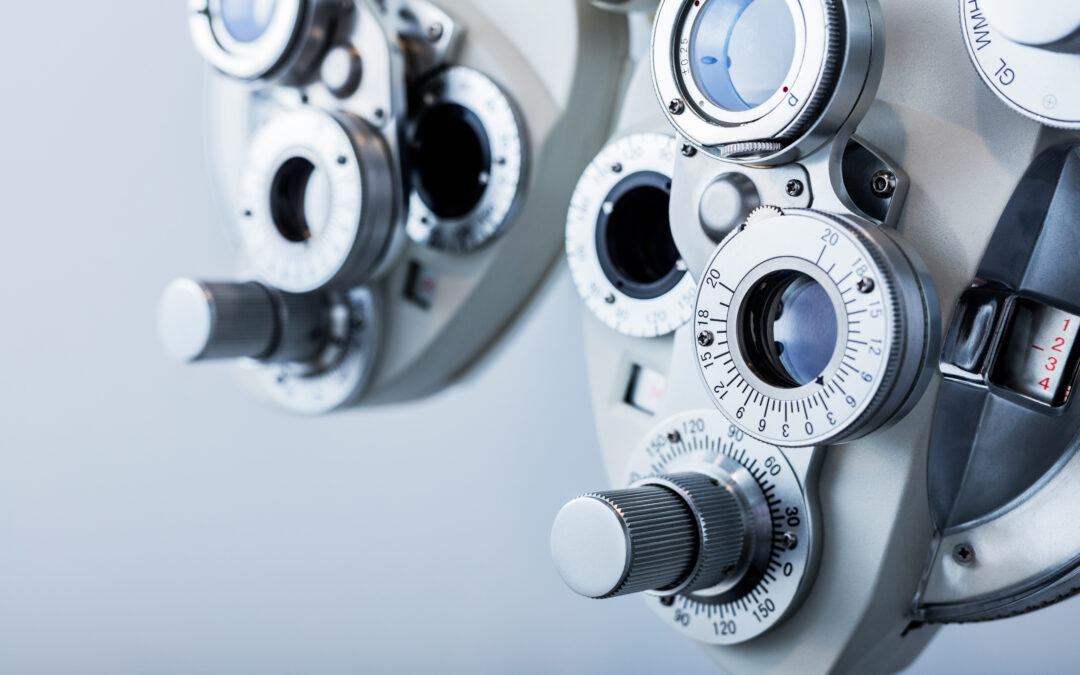
The examination itself usually involves several tests to assess your visual acuity, eye muscle coordination, eye pressure, and the health of the retina and eye lens. Tools like the phoropter are used to determine the best lens prescription for correcting any refractive errors, while devices such as tonometers are employed to check for signs of glaucoma by measuring eye pressure.
Finally, more detailed scans, such as OCT (Optical Coherence Tomography), may be conducted if the optometrist deems it necessary. These scans can help in detecting diseases like diabetic retinopathy and macular degeneration early on. Throughout the examination, optometrists in Norwich ensure you are comfortable and well-informed about each procedure.
The Importance of Regular Eye Tests Explained
Regular eye tests are essential not just for updating eyeglass or contact lens prescriptions, but also for evaluating the health of your eyes. Optometrists in Norwich stress the importance of these examinations as part of comprehensive healthcare. They help in detecting early signs of eye conditions that could potentially lead to vision loss if untreated.
Beyond diagnosing eye-related issues, regular eye examinations can also indicate other health problems such as hypertension and diabetes. The eye is the only place in the body where blood vessels can be viewed directly, making conditions affecting the vascular system observable during eye health checks. Therefore, a regular eye test can be instrumental in the early detection and management of systemic diseases.
For adults, it is recommended to have an eye test every two years, unless advised otherwise by your health practitioner. For children and older adults, or those with existing health conditions, more frequent tests might be necessary. Opticians in Norwich are equipped to advise on the best schedule for individual needs, ensuring optimal eye health is maintained.
Latest Eye Health Technologies in Norwich
Norwich is home to some of the most advanced eye health technologies available today. Opticians in the city are increasingly using digital retinal photography, which allows them to take high-resolution images of the back of the eye. This is crucial for tracking changes over time and providing early intervention for conditions that could impair vision.
Another significant advancement available in Norwich is Optical Coherence Tomography (OCT), a sophisticated scanning system that delivers cross-sectional images of the retina. OCT can detect structural changes at a very early stage, potentially saving patients from severe eye diseases. The precision and detail provided by OCT scans represent a leap forward in eye care and disease management.
Furthermore, computerised visual field testers are widely used to evaluate peripheral vision and detect any blind spots which might suggest underlying health issues. These technologies ensure that residents receive the most thorough eye examinations, keeping them one step ahead in maintaining their ocular health.
Understanding Different Types of Eye Tests
Eye tests can vary widely, each serving different purposes. The most common test is the visual acuity test, which uses a Snellen chart to measure how well you can see at various distances. This test is fundamental in determining your level of shortsightedness, farsightedness, or astigmatism.
Another test, the tonometry test, measures the internal pressure of the eye, essential for glaucoma detection. There’s also the perimetry test, which maps out your field of vision, identifying any patterns of vision loss. These tests are critical for a full assessment of eye functions and are routinely performed during comprehensive eye exams in Norwich.
More specialised tests, such as colour blindness tests and binocular vision tests, are also available depending on individual needs. These tests help in diagnosing more specific areas of concern, ensuring a holistic approach to eye health. Norwich opticians are skilled in administering these tests and interpreting the results accurately for the benefit of the patient.
Costs and Coverage for Eye Care Services
The cost of eye care services in Norwich can vary depending on the type of examination and the optician chosen. Basic tests might be more affordable, while more comprehensive services that utilise advanced technology could cost more. However, many opticians offer payment plans or membership options that make regular check-ups more economical.
It’s worth noting that the NHS provides free eye tests for certain groups of people, such as children under 16, individuals over 60, and people with specific medical conditions. There are also schemes to help with the cost of glasses or contact lenses for those eligible. Norwich residents are encouraged to explore these options to alleviate any financial strain.
Private health insurance might also cover some aspects of eye care. Policy details can vary, so checking with your provider about what is included can be beneficial. This preparation ensures that you fully understand your coverage and out-of-pocket expenses for eye care services.
Follow-Up: Ensuring Continued Eye Health
After an eye examination in Norwich, opticians will typically schedule follow-up appointments based on the results of your tests. These follow-ups are crucial for monitoring any changes in your vision or eye health, ensuring any necessary adjustments to treatment or eyewear can be made promptly.
For patients diagnosed with eye conditions requiring ongoing management, such as glaucoma or diabetic retinopathy, regular follow-ups are imperative. These appointments allow your optician to monitor the effectiveness of treatment and make any necessary modifications.
Maintaining a schedule of regular visits, as advised by your optician, plays a key role in long-term eye health. Norwich opticians are committed to providing continuous care and support, helping residents enjoy good vision and quality of life.